RSS

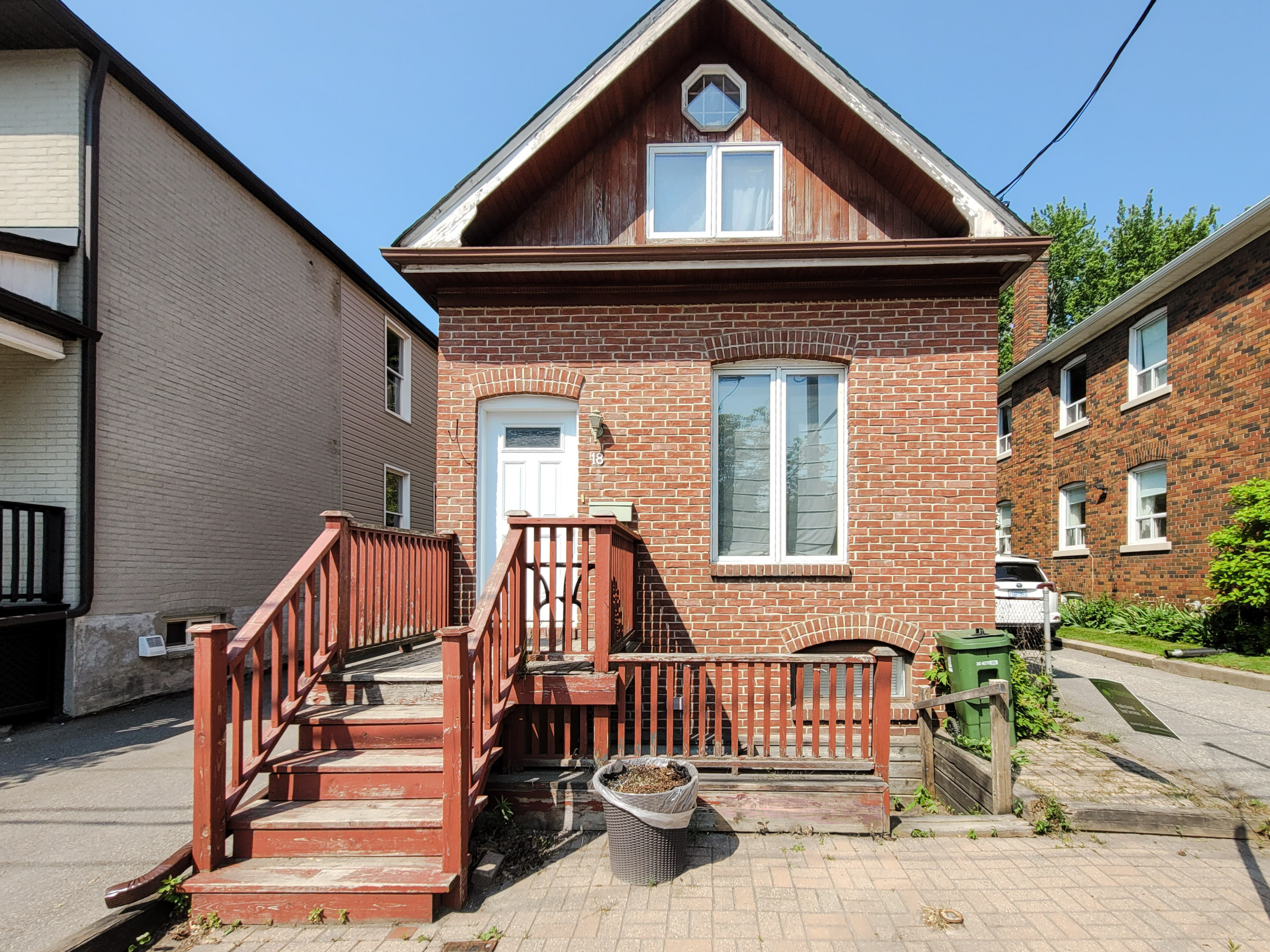
Leslieville’s Best Kept Secret Just Listed For Rent!

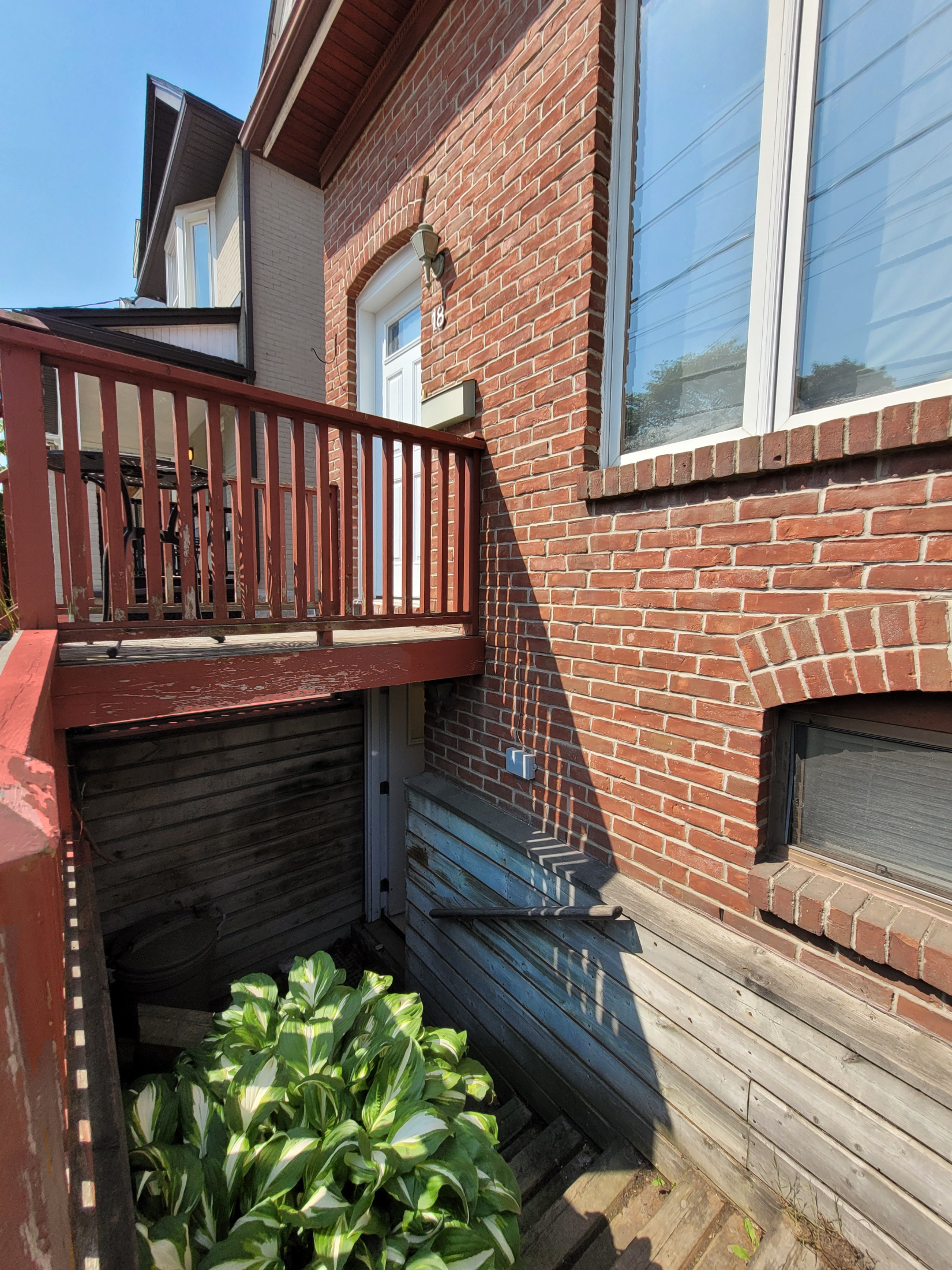
This is a new property at Lower 18 Coxwell Avenue in Toronto. See details here

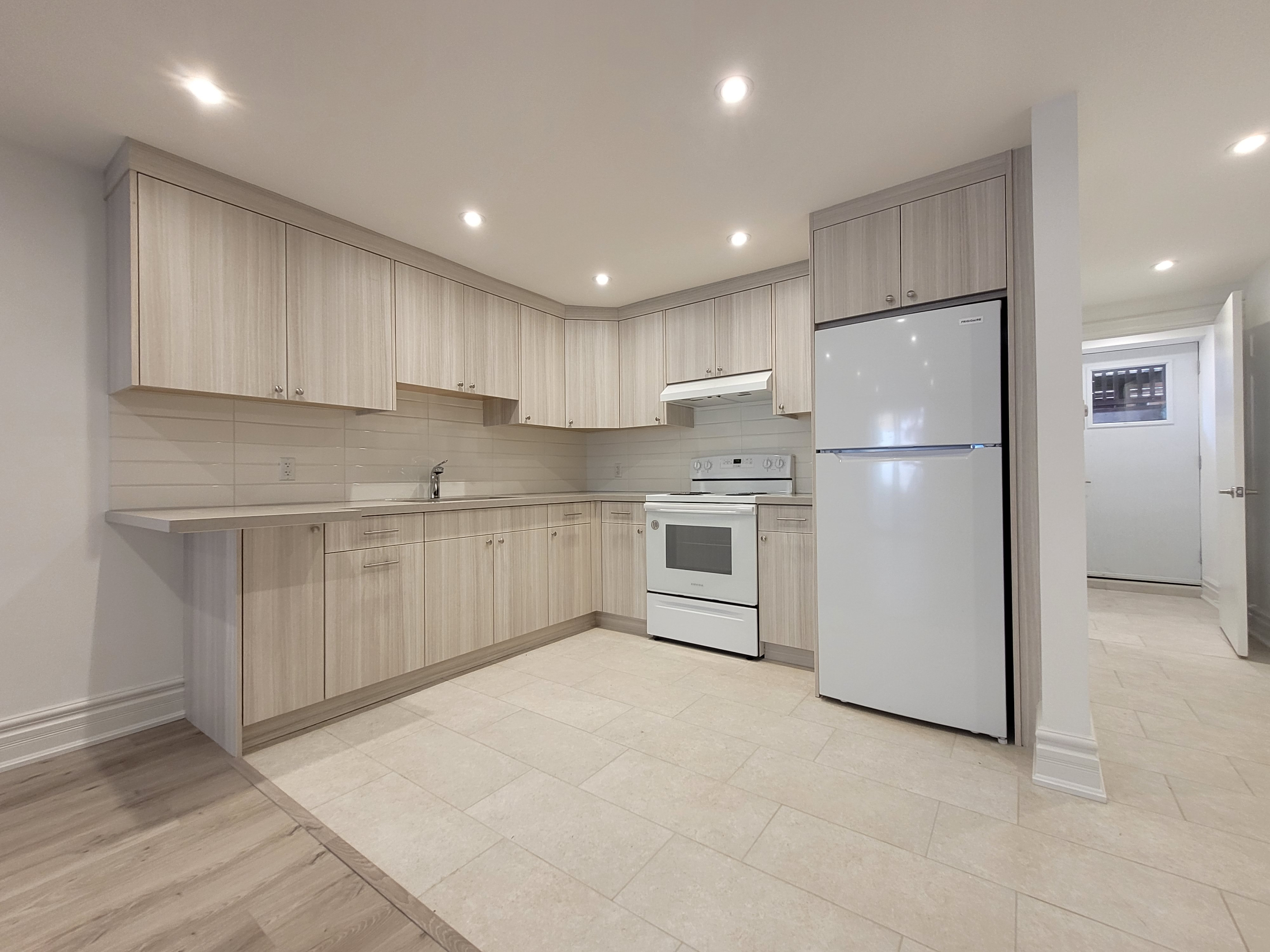
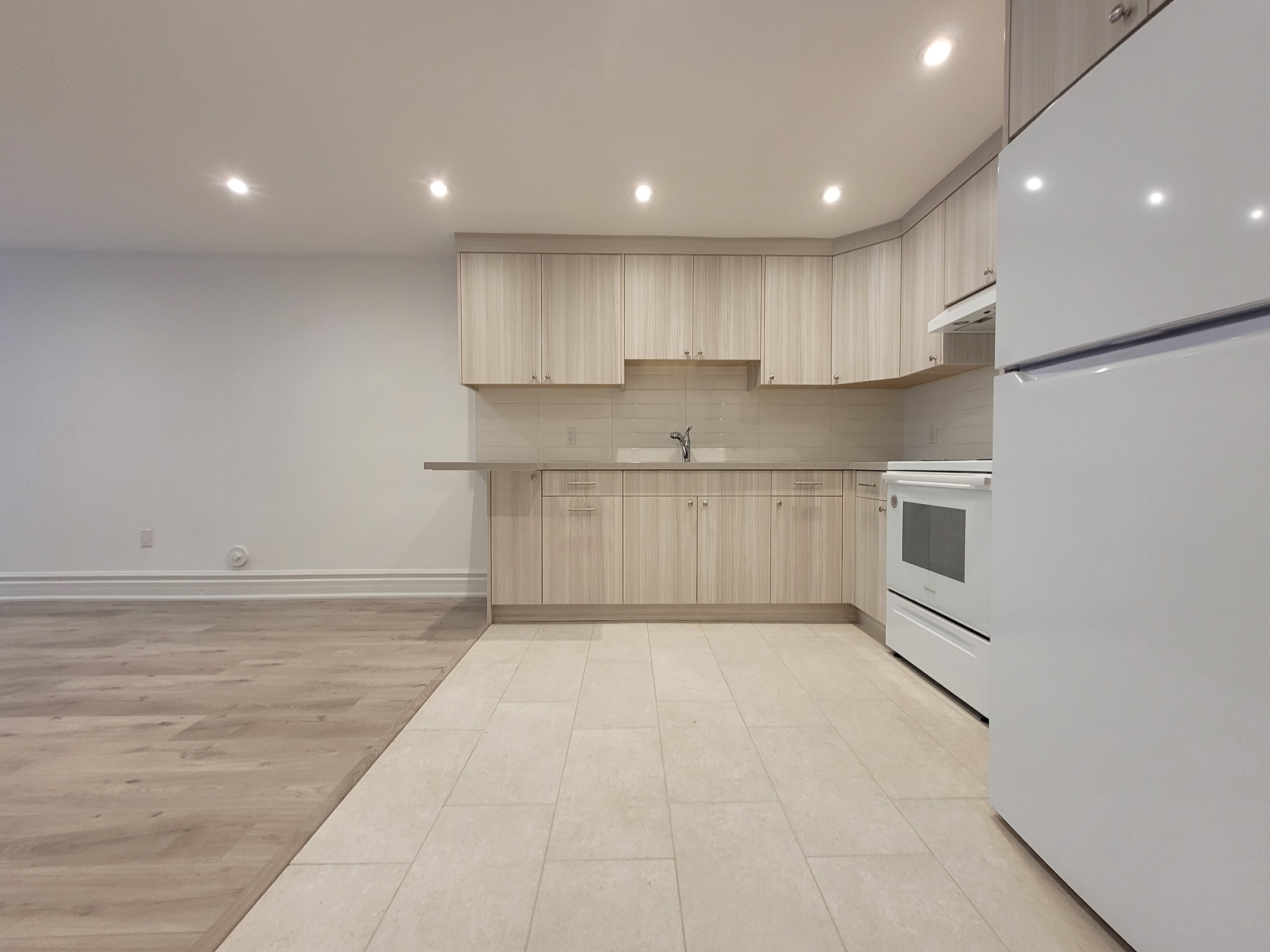
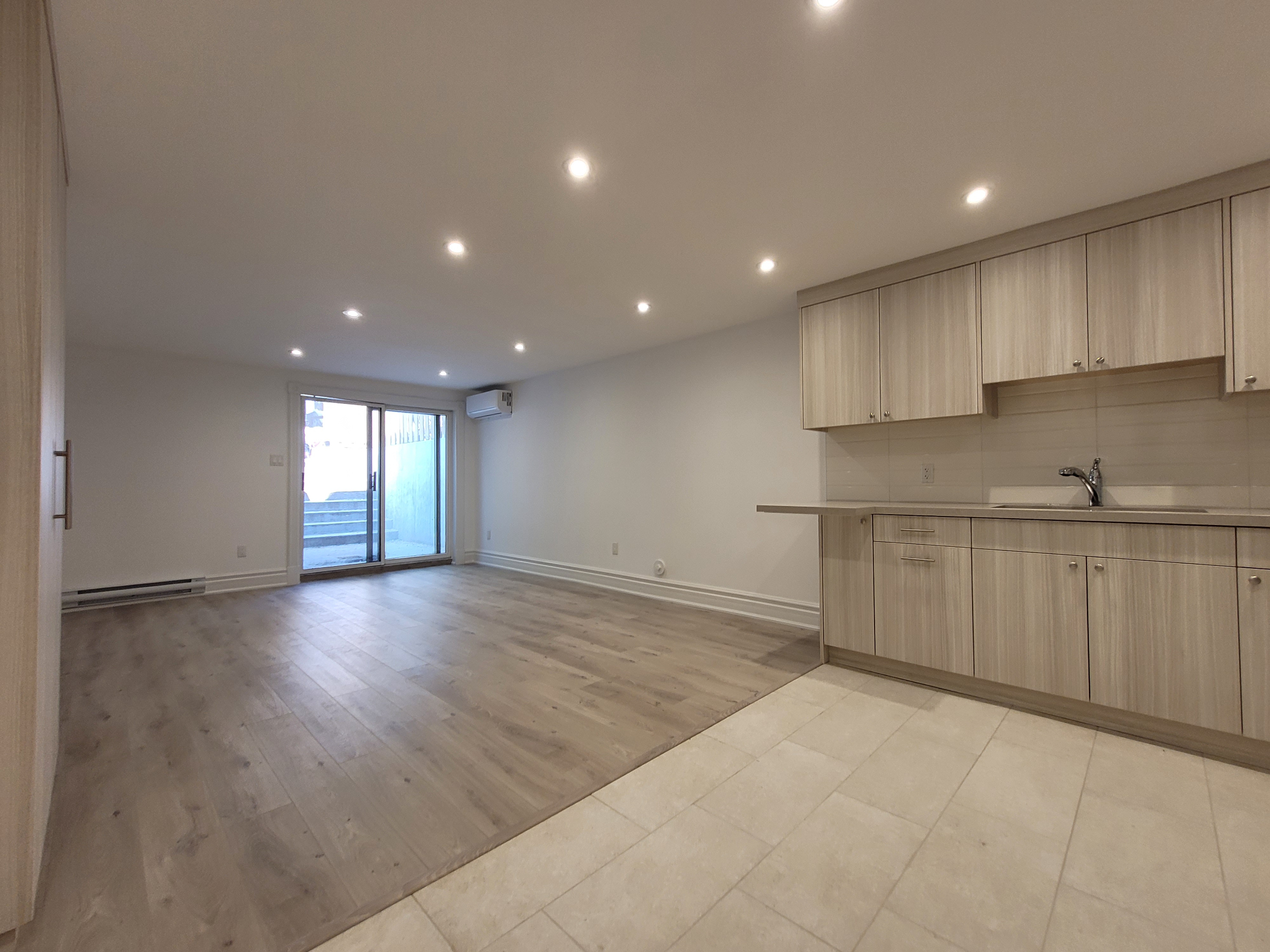
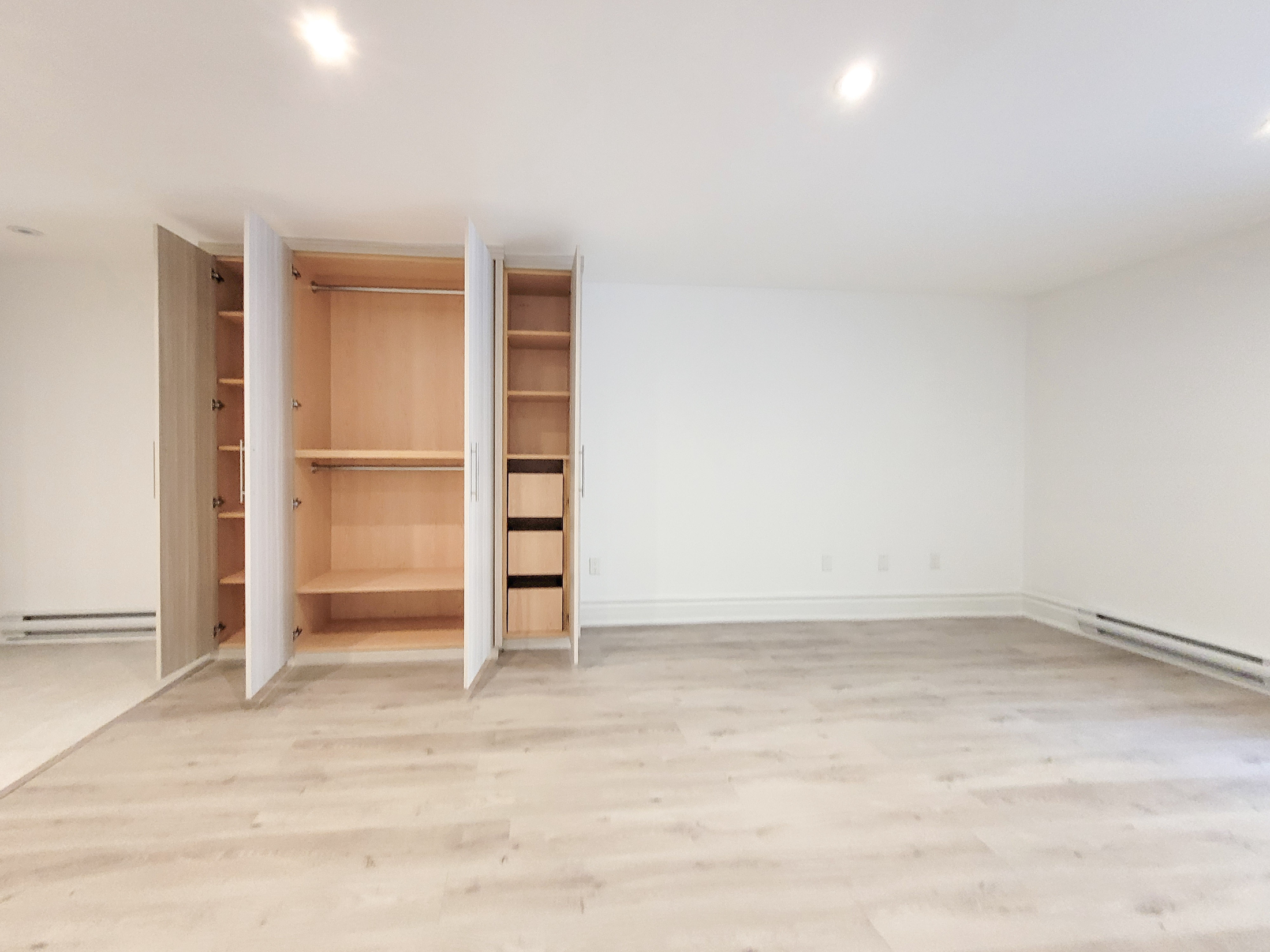
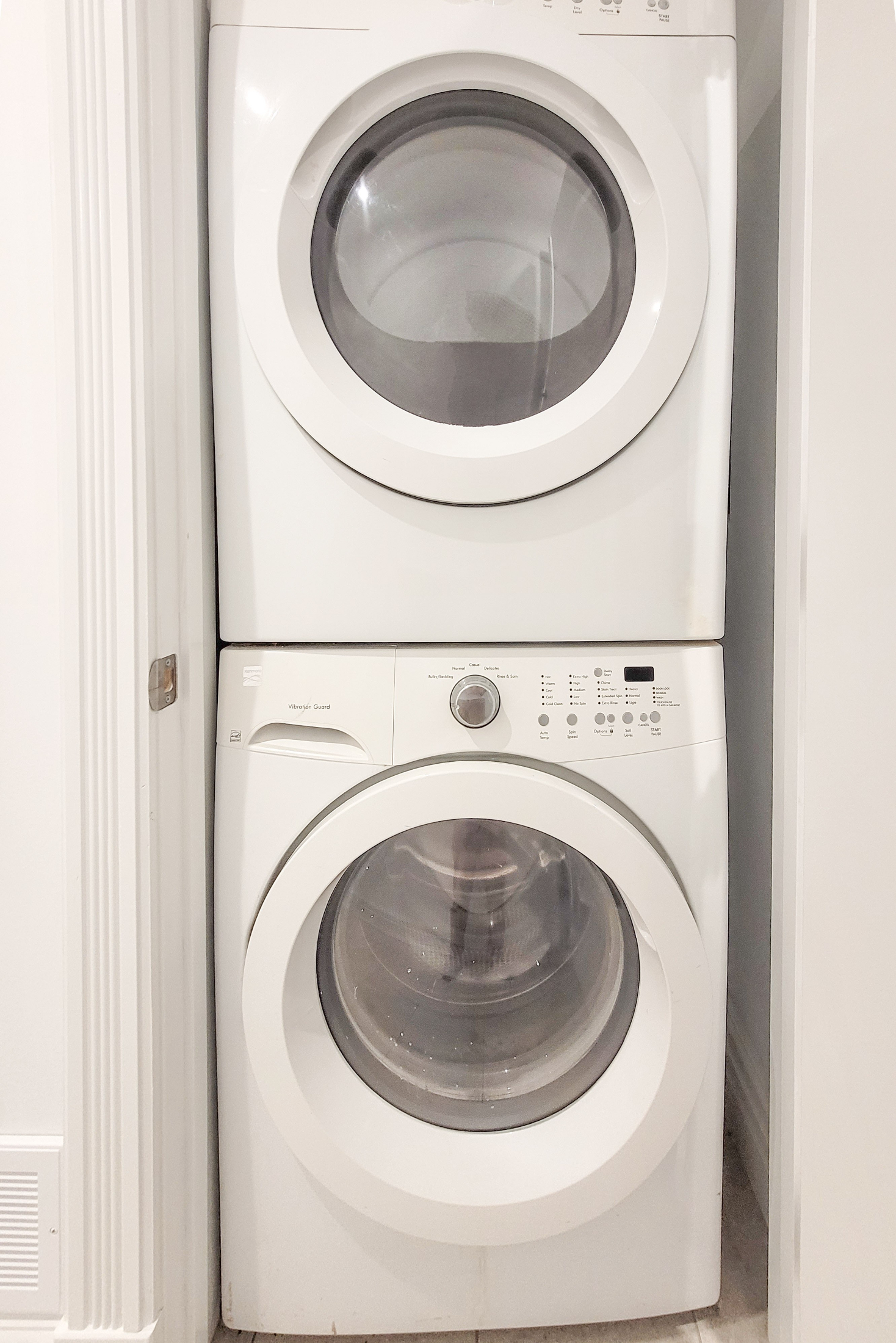
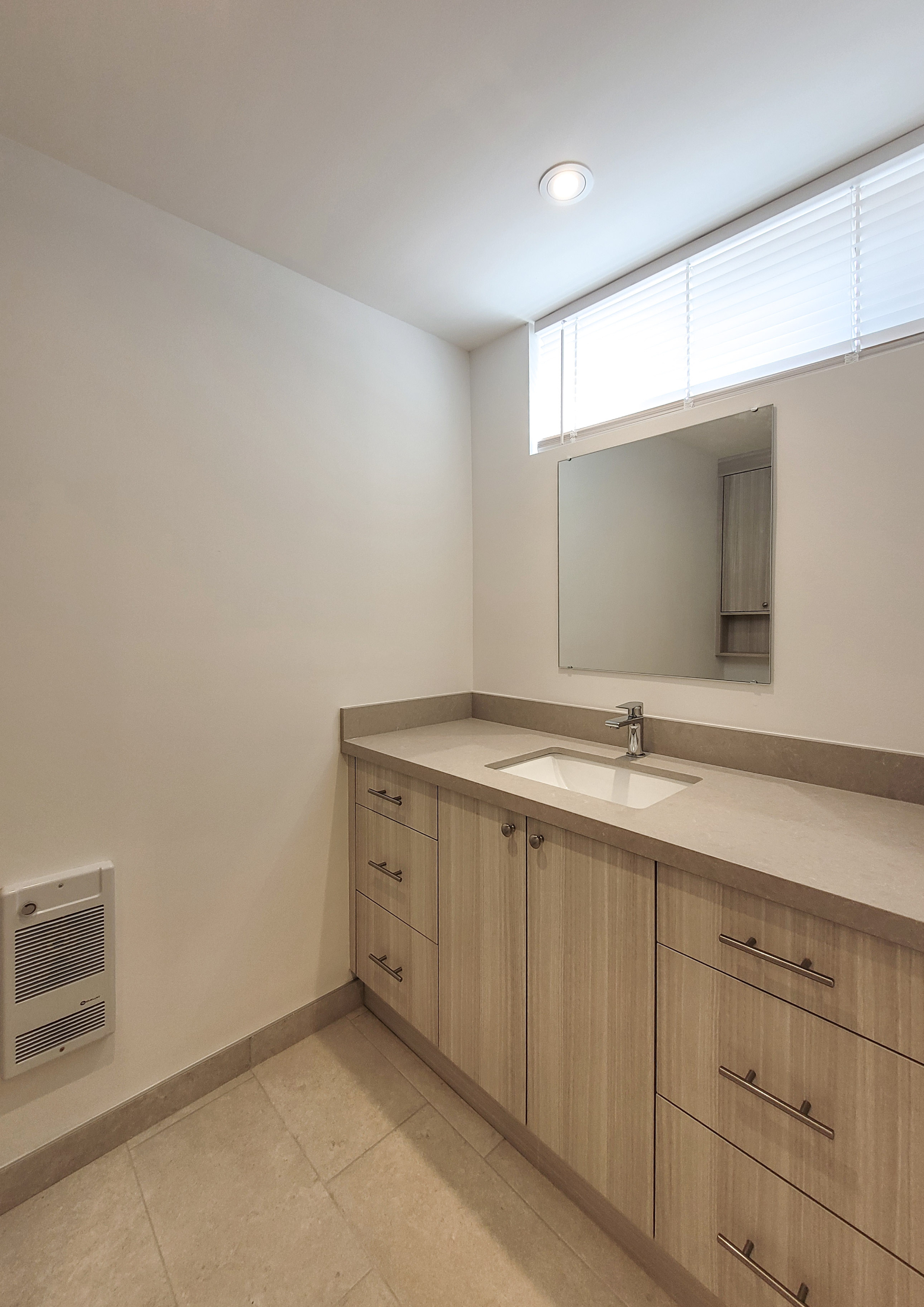
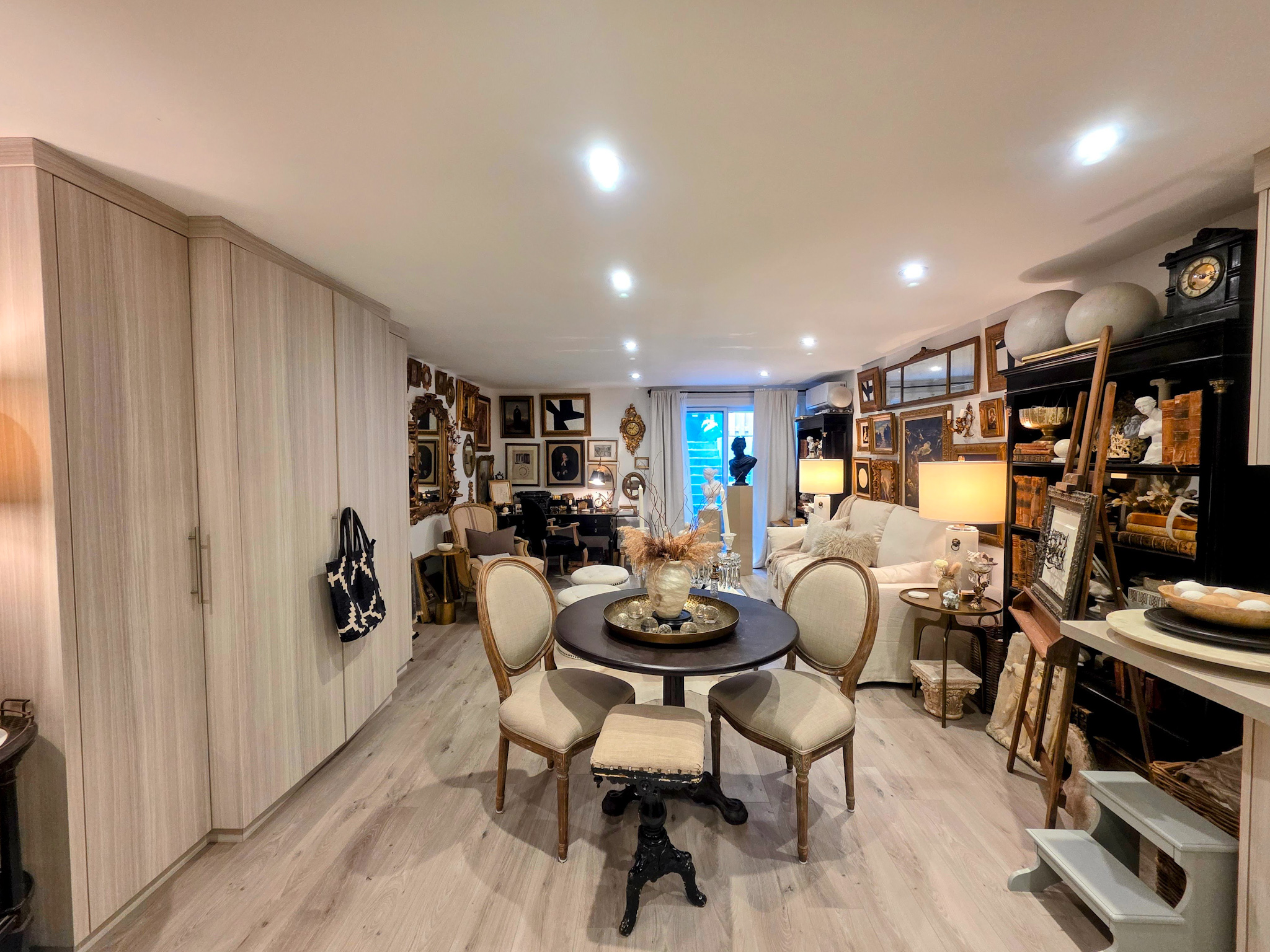
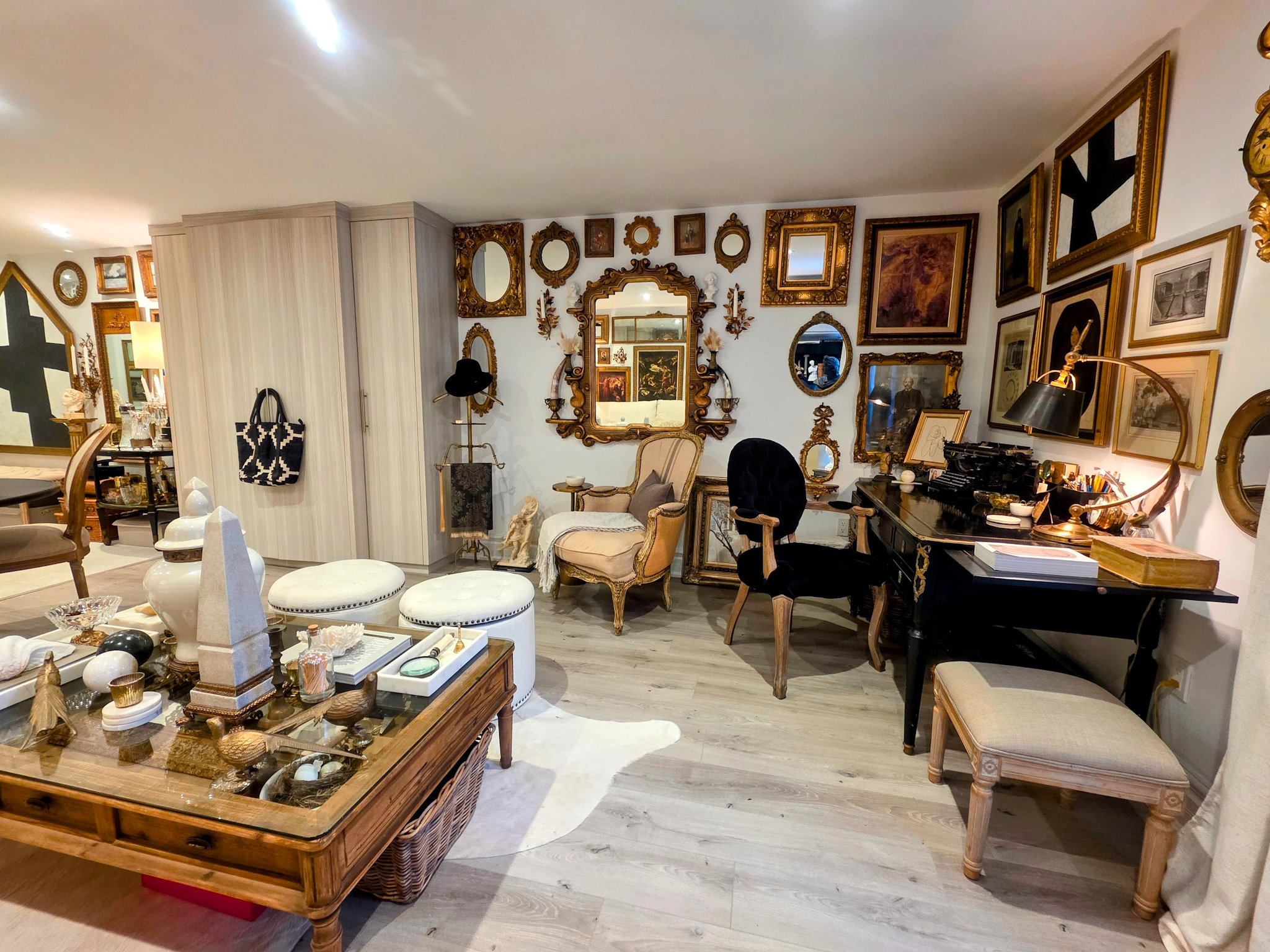
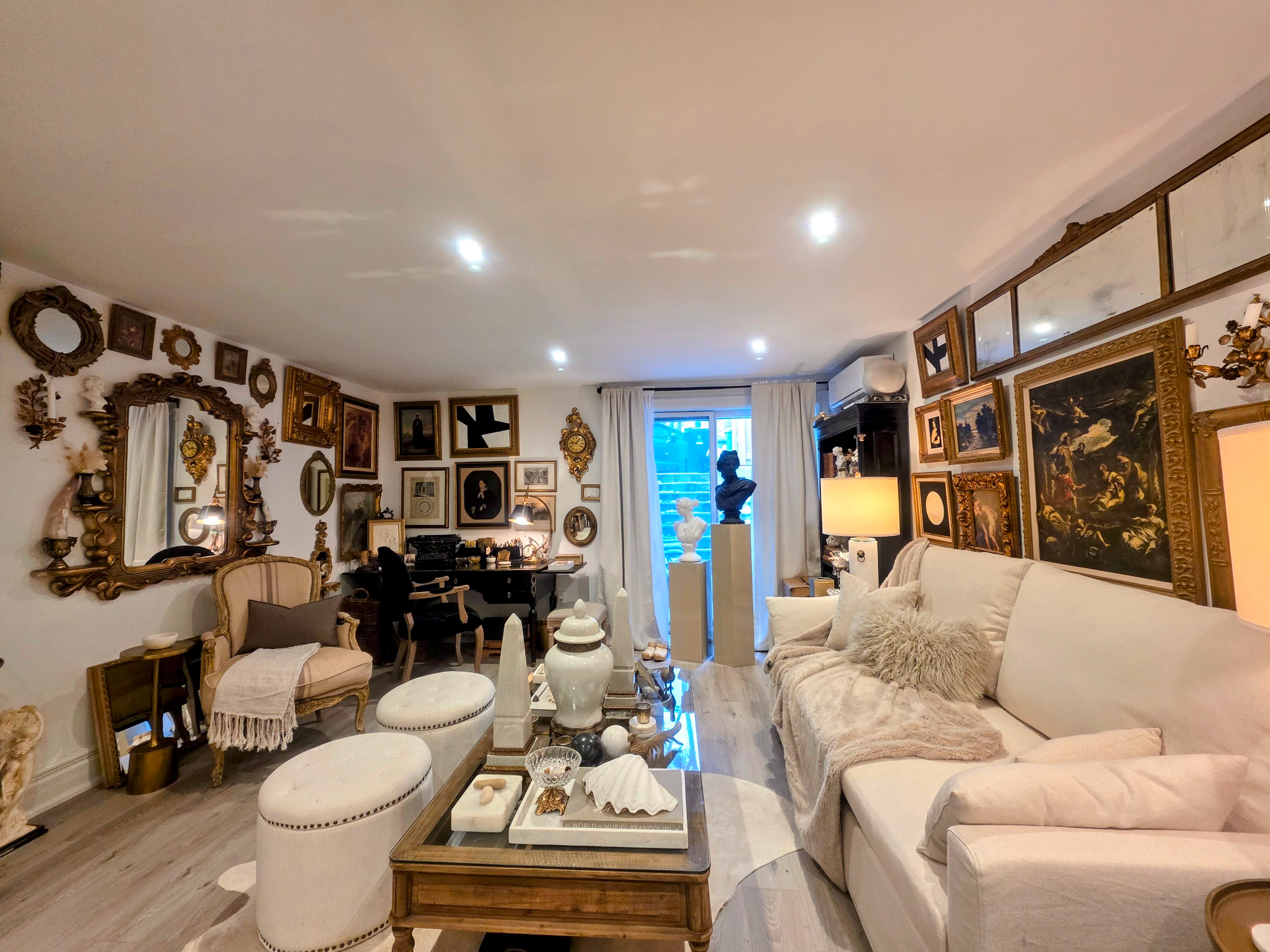
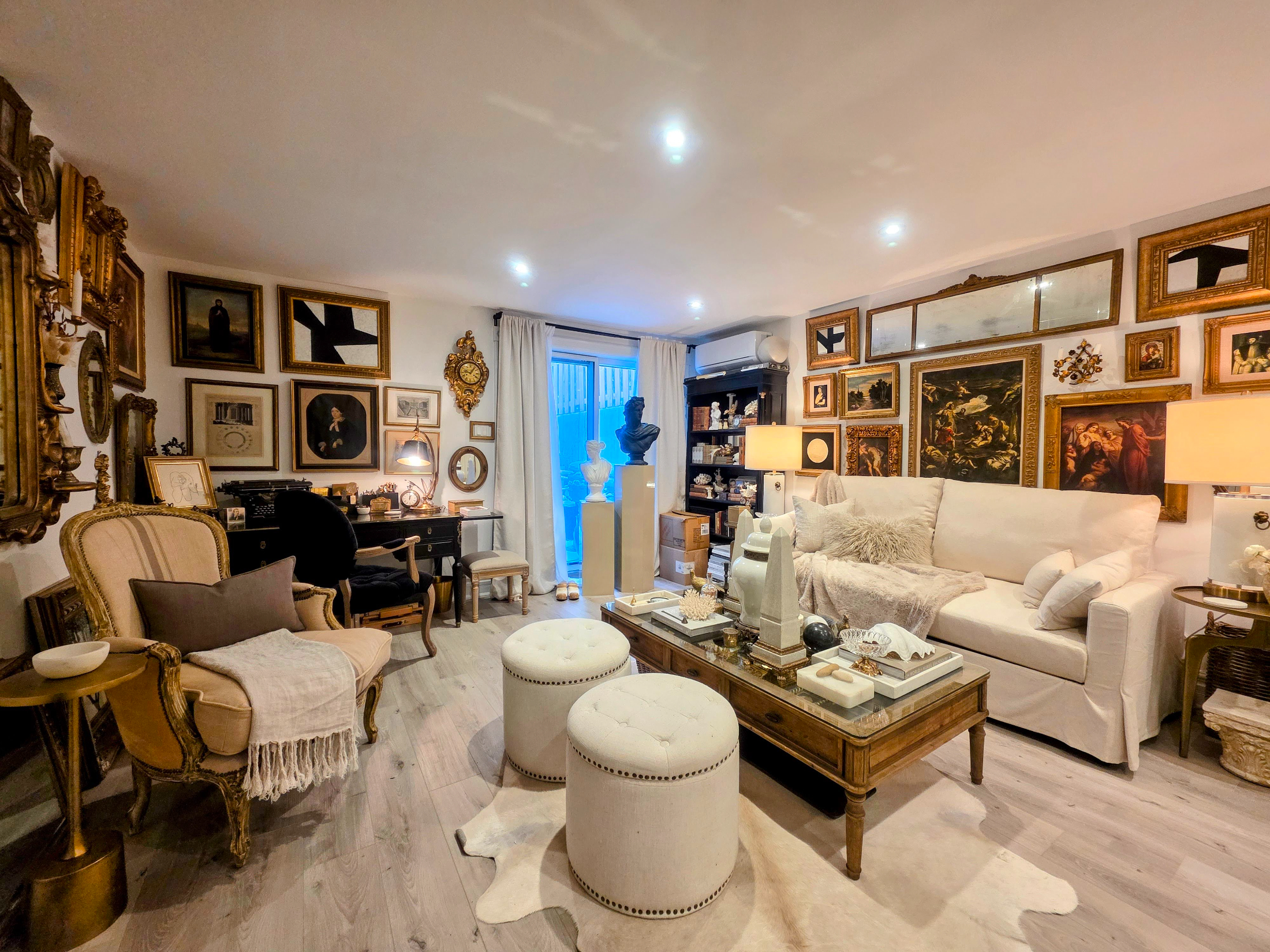
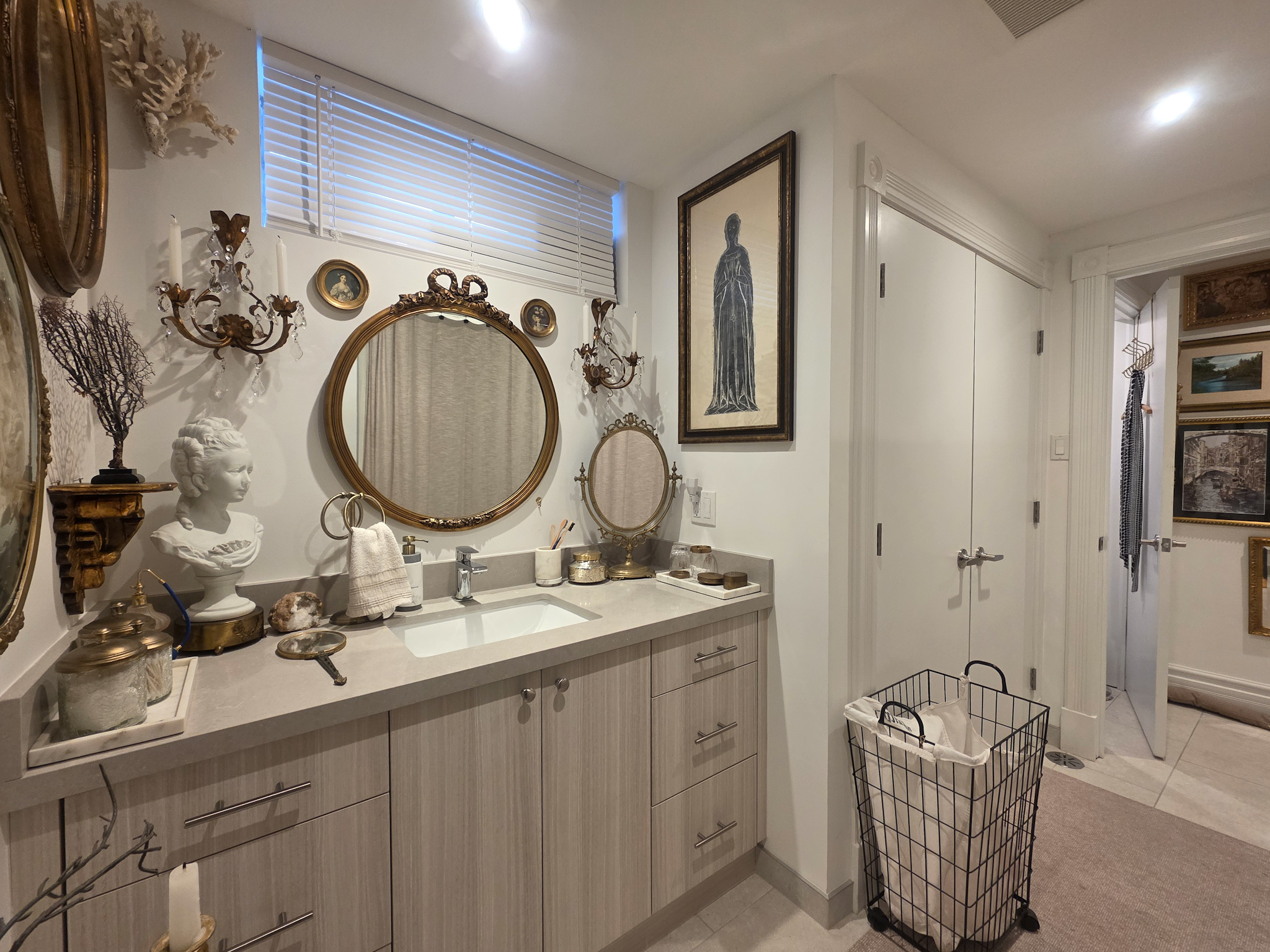
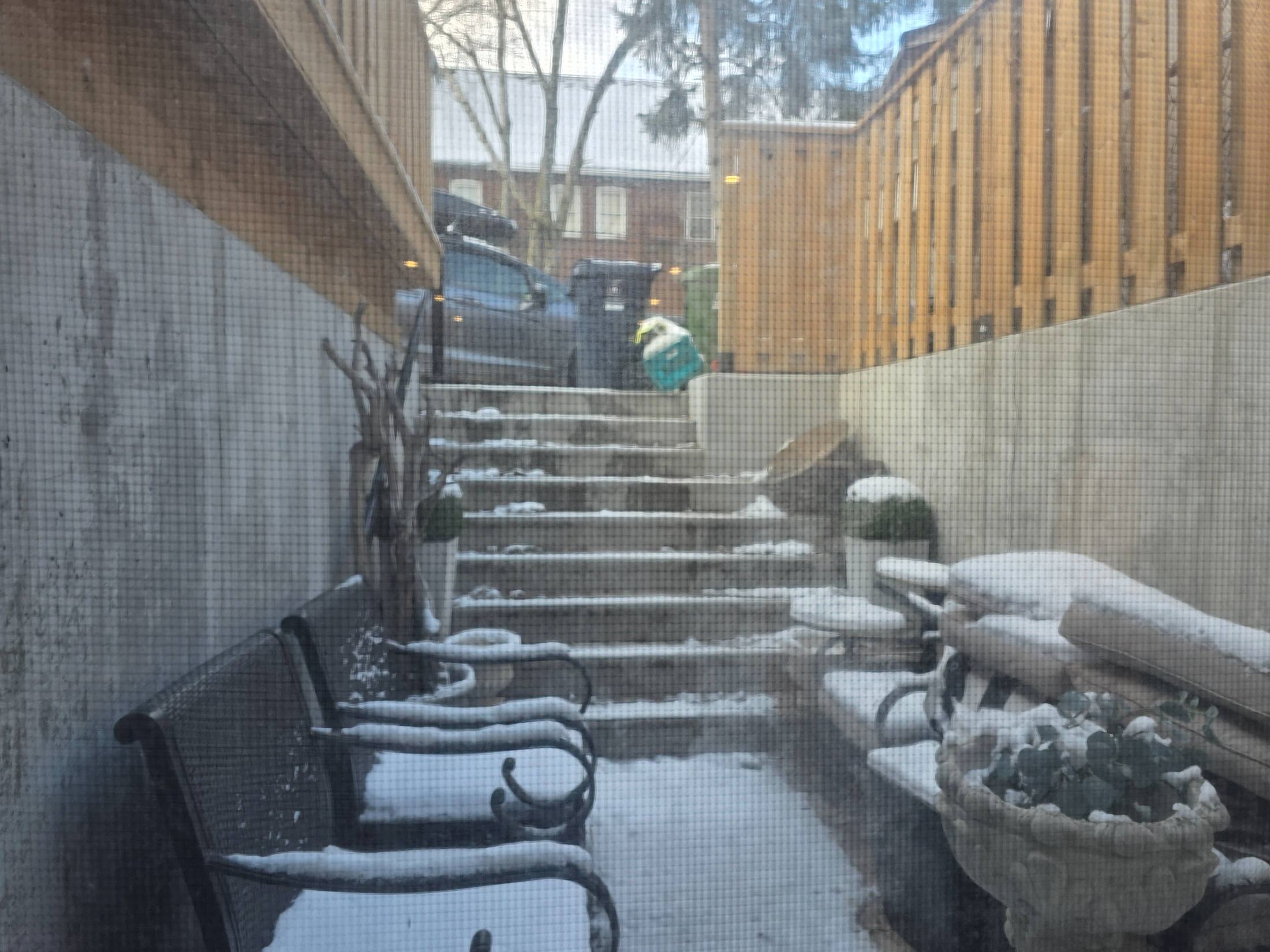
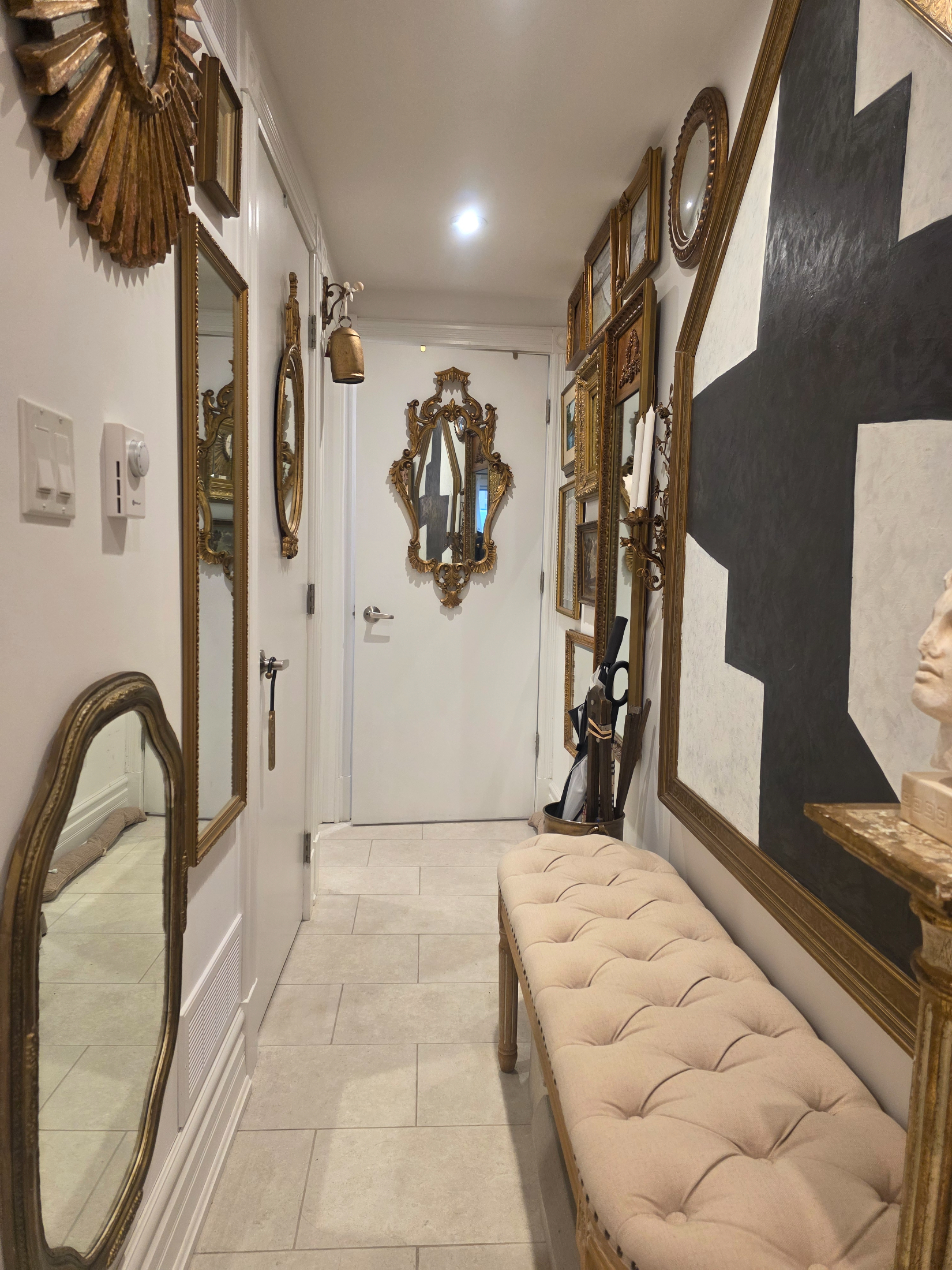
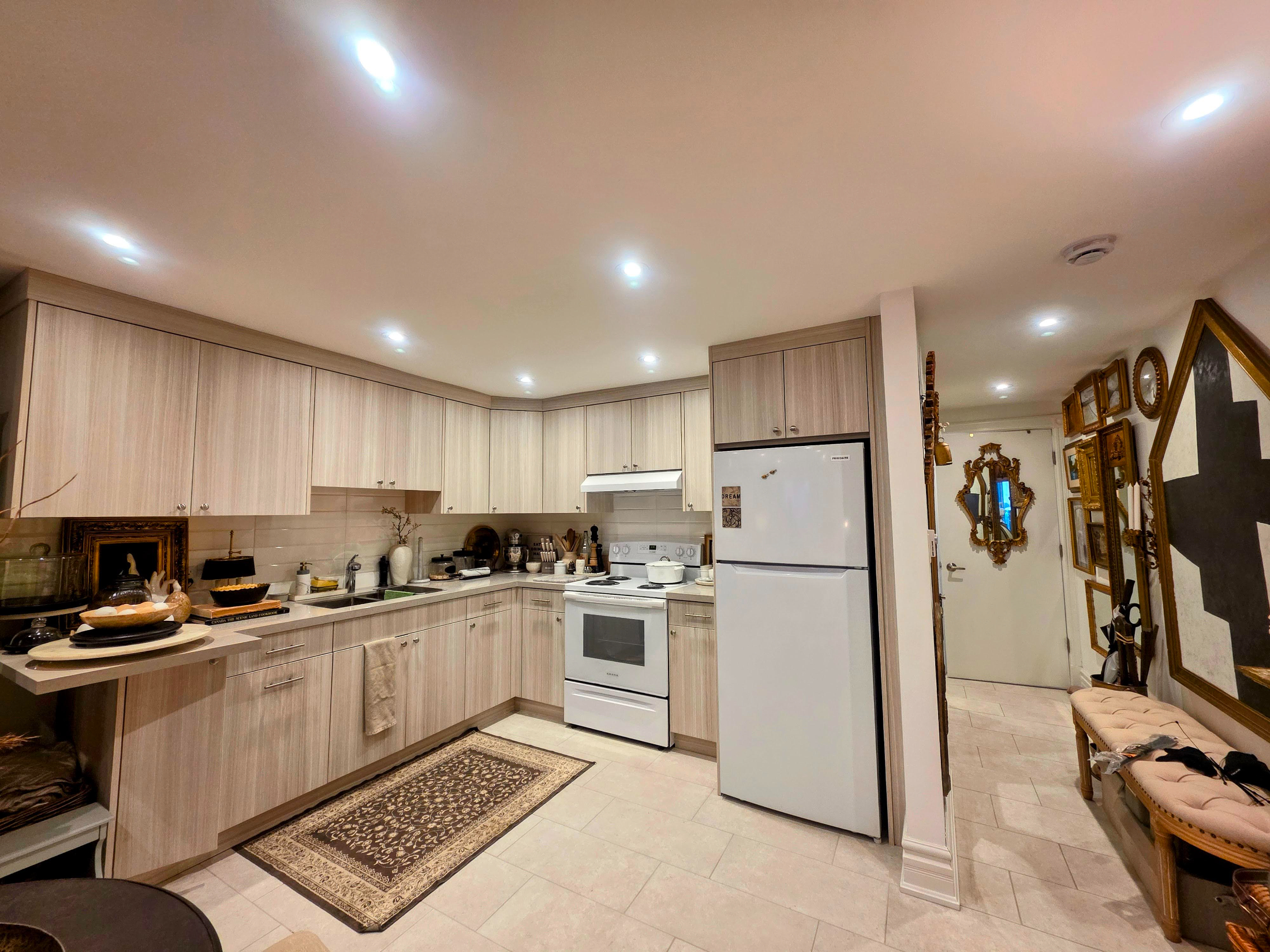
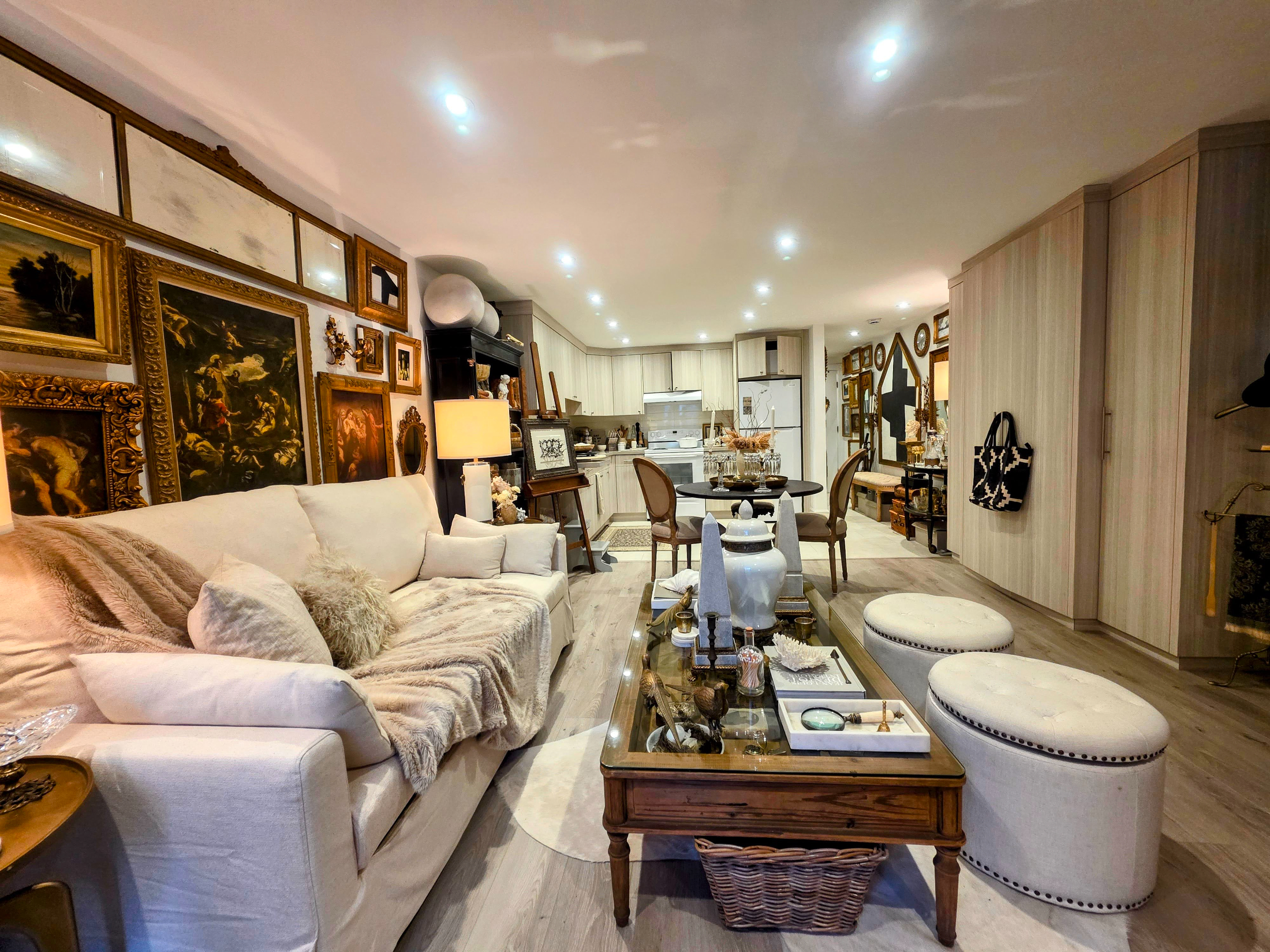
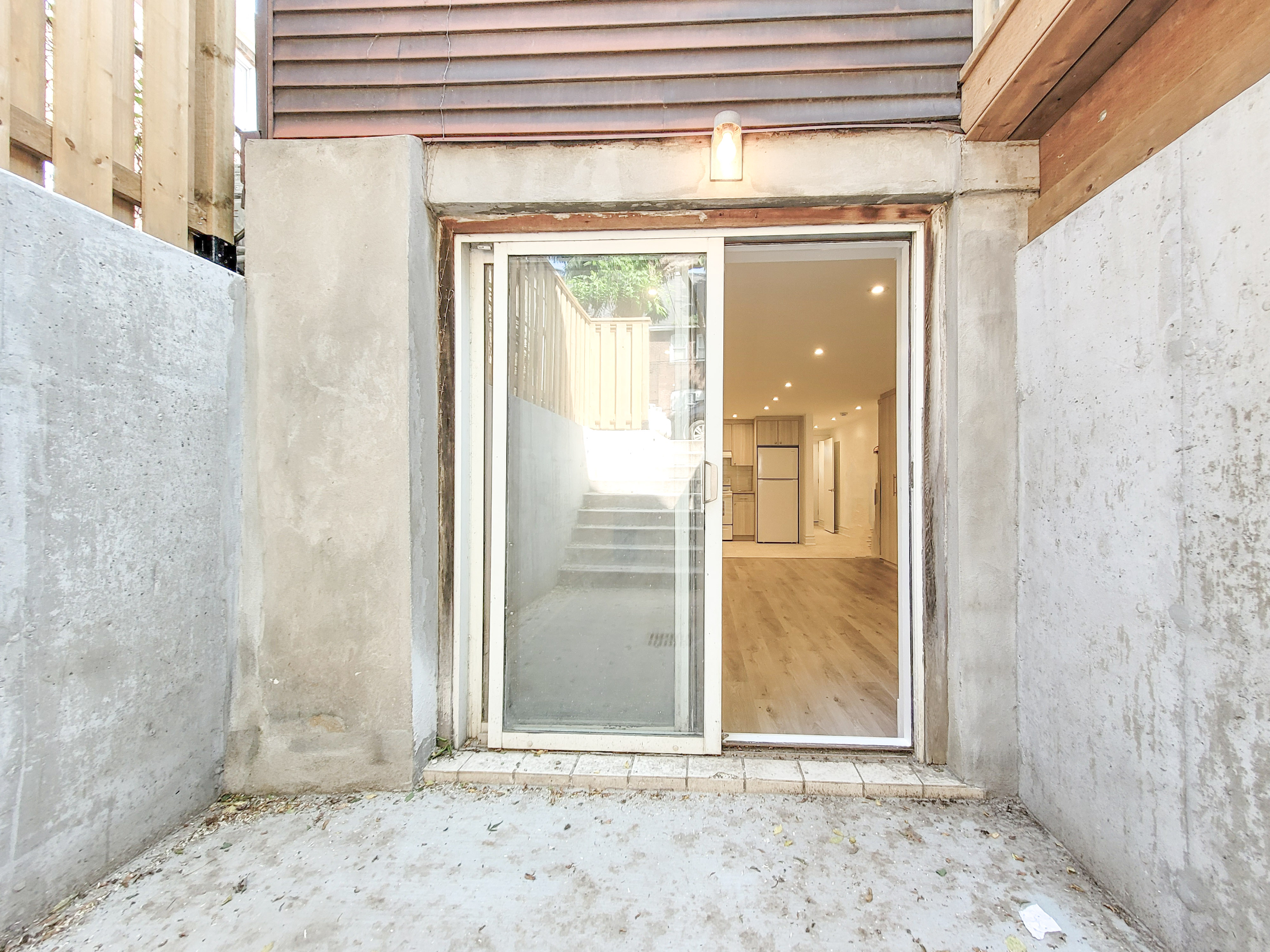
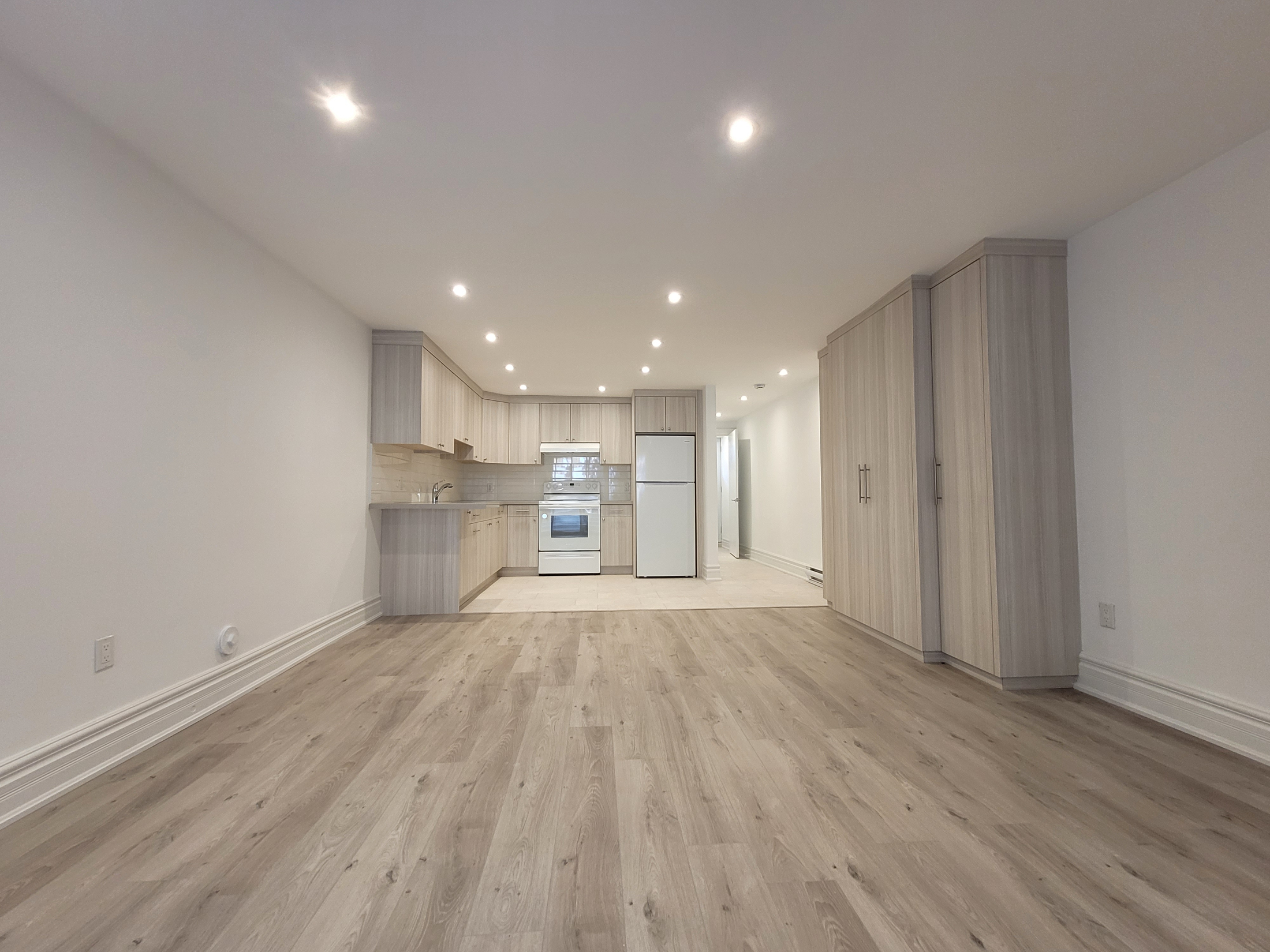
Step into a clean, renovated, boutique walk-out studio with its own private entrance in the heart of Leslieville! This lower level unit offers 7'-6" ceilings with pot lights throughout, a full kitchen with newer appliances and great storage, an open layout that fits living and dining furniture comfortably, a built-in closet, and a spa-like bathroom with a deep soaker tub and quality finishes. A rear office nook provides a quiet workspace. Current tenant has a double pull-out couch in living area. You'll also have your own private, full-size washer and dryer, giving you total convenience with no sharing and no trips to the laundromat. A high-efficiency heat pump provides comfortable heating and cooling year-round. Located moments from Leslieville's best cafés, breweries, parks, transit, and farmers markets, this bright and stylish studio delivers comfort, privacy, and unbeatable urban convenience in one of Toronto's most vibrant neighbourhoods.

Read

Design That Moves Us: How Aesthetics Influence Toronto Home Buying Decisions

Toronto Real Estate | Interior Design | Buyer Psychology | Neighbourhood Lifestyle

When Toronto homebuyers walk through a front door — whether it's a Victorian semi-detached in The Annex, a glass-and-steel condo in King West, or a converted loft in Leslieville — something happens before the numbers even come up. They feel something. That feeling, more often than many buyers care to admit, is what drives the decision to make an offer.

In one of Canada's most competitive and expensive real estate markets, aesthetics aren't just a nice-to-have. They're a deciding factor. This blog explores how design and visual appeal influence buying decisions across Toronto's diverse neighbourhoods — and what buyers and sellers alike need to know to navigate this emotional landscape with clarity.


The Emotional Architecture of a Toronto Home

Toronto is a city of neighbourhoods — each with its own visual identity, architectural character, and lifestyle aesthetic. From the stately Edwardian homes of Rosedale to the bold industrial-chic condos of Liberty Village, the look and feel of a home sends powerful signals about the life one could live inside it.

Research in environmental psychology consistently shows that humans form emotional responses to spaces within seconds. In a real estate context, this translates directly into buyer behaviour. Homes with professional staging sell faster and for more money — and the same principle applies to architectural and interior design quality.

For Toronto buyers navigating $800,000 starter homes and multi-million-dollar detached properties in Forest Hill or Bridle Path, the stakes of that emotional response have never been higher.


Curb Appeal: Toronto's First Impression

Ask any Toronto real estate agent and they'll tell you: curb appeal sells houses. In dense urban neighbourhoods like Riverdale, Little Italy, Roncesvalles…homes sit cheek-by-jowl on narrow lots — meaning the facade is everything.

What Catches a Toronto Buyer's Eye

  • Fresh exterior paint or brick pointing in period-appropriate colours

  • Modern front doors — black, navy, and forest green are trending across Toronto

  • Well-maintained landscaping, even in Toronto's small front yards

  • Updated porch railings, lighting, and house numbers

  • Clean driveways and garage doors, especially in North York and Etobicoke where car culture is more prominent

In high-demand neighbourhoods like Leslieville or Roncesvalles, buyers scroll through listings on Realtor.ca and HouseSigma before they ever step foot on the street. That hero photograph — almost always of the front exterior — determines whether a buyer books a showing at all.

Local Insight: Homes with freshly painted exteriors and updated landscaping consistently see significantly higher listing views compared to comparable properties with dated curb appeal, according to Toronto-area agents.


Inside the Front Door: How Interior Design Shapes Offers

Once inside, the aesthetic experience intensifies. Open-concept layouts, natural light, and cohesive design language all play into a buyer's subconscious evaluation. In Toronto's resale market, properties that feel designed — not just furnished — consistently outperform their peers.

The Toronto Buyer's Design Checklist

  • Natural light: Toronto buyers, especially those coming from small condos, crave light. Homes that maximize south or west-facing windows command premiums

  • Kitchen design: Quartz countertops, flat-panel cabinetry, and integrated appliances are baseline expectations in Toronto's $1M+ market

  • Bathroom finishes: Walk-in showers, heated floors, and frameless glass enclosures have become table stakes in renovated Toronto homes

  • Flooring: Engineered hardwood or wide-plank white oak floors are consistently ranked among the highest-return renovations in Toronto real estate

  • Colour palette: Warm neutrals — greige, warm white, and soft terracotta — are resonating with Toronto buyers who want a move-in-ready aesthetic

In Toronto's condo market — where buyers in King West, Yorkville, or the Financial District may be comparing a dozen similar units — finishes and design become the primary differentiator. A unit with original builder-grade finishes will almost always lose to a thoughtfully renovated comparable.


Neighbourhood Aesthetic Identity: Toronto's Design Map

Perhaps uniquely among Canadian cities, Toronto's neighbourhoods each carry a distinct aesthetic personality — and buyers self-select based on design identity as much as location.

The Annex & Seaton Village Victorian and Edwardian architecture dominates. Buyers here are drawn to original character features: leaded glass windows, original millwork, wainscoting, and generous ceiling heights. Renovations that honour this heritage while updating kitchens and baths command a strong premium.

King West & Queen West Industrial-chic and contemporary minimalism rule here. Buyers seeking lofts and boutique condos expect exposed concrete, polished cement floors, large-format windows, and a monochromatic palette. Design must feel curated and effortless.

Leslieville & Corktown A creative, eclectic aesthetic defines this east-end corridor. Buyers here appreciate personality — bold front door colours, local artist murals, vintage fixtures repurposed thoughtfully. Design authenticity is valued over polish.

Rosedale & Forest Hill Understated luxury and traditional design reign. Buyers in Toronto's most prestigious enclaves expect classic architecture, formal room layouts, premium materials (marble, solid wood), and professionally landscaped gardens.

North York & Don Mills Practical and family-oriented design matters most here. Large kitchens, finished basements, and well-organized storage are aesthetic priorities alongside clean, updated bathrooms and modern appliances. Buyers here value function-forward design.

Etobicoke Etobicoke's design profile spans from Humber Bay Shores' sleek condos to Bloor West Village's charming bungalow aesthetic. Mid-century modern renovations are particularly resonant in areas like Sunnylea and Kingsway.


The Psychology Behind Design-Driven Buying Decisions

Understanding why aesthetics move buyers is as important as knowing what they respond to. Several psychological principles are at work in every Toronto showing.

The Halo Effect When a home looks beautiful at first impression, buyers unconsciously assume it has been well-maintained in ways they cannot see — good plumbing, a well-functioning furnace, sound structure. This is the halo effect, and it is one of the most powerful forces in real estate.

Identity Projection Toronto buyers, particularly millennials and Gen Z buyers entering the market, are purchasing a vision of themselves. A Leslieville semi with bold wallpaper and a curated gallery wall communicates something about the buyer's identity. Design allows buyers to project their ideal self into a space.

Decision Fatigue In a market where Toronto buyers may view 20, 30, or even 50 homes before making an offer, cognitive overload is real. Homes that feel ready — that require no imagination to see as livable — reduce the mental effort of decision-making. Staged, designed homes win because they eliminate ambiguity.

Expert View: The best-performing listings in Toronto right now are the ones where buyers walk in and feel like they've arrived. They don't have to imagine anything — they just feel it. That emotional certainty drives offers.


For Toronto Sellers: Designing to Sell

If aesthetics drive buying decisions, sellers have a powerful lever at their disposal. Strategic investment in design before listing can significantly impact both sale price and time on market.

High-ROI Design Updates for Toronto Sellers

  • Fresh paint throughout in a cohesive, market-appropriate palette

  • Kitchen refresh: hardware, cabinet painting, and new countertops if originals are dated

  • Bathroom updates: new fixtures, regrouting, and frameless shower doors where applicable

  • Flooring refinishing or replacement

  • Exterior power washing, painting, and landscaping cleanup

  • Professional staging: the single highest-ROI investment for Toronto sellers

  • Updated lighting: replacing dated fixtures with contemporary alternatives throughout

Toronto real estate agents consistently report that homes that receive pre-listing design investment sell faster and closer to (or above) asking price — particularly in neighbourhoods where buyer expectations are high and competition for listings is strong.


The Rise of Design-Conscious Toronto Buyers

The Toronto homebuyer of 2026 is more design-literate than any previous generation. Years of HGTV, Instagram interior design accounts, and pandemic-era home improvement projects have elevated the visual vocabulary of the average buyer.

This means sellers can no longer get away with dated aesthetics simply because the bones are good. Buyers have been trained — by media, by their own renovating experience, by the market itself — to see design potential as something that costs money, time, and stress to realize. They discount for it.

Conversely, homes that are already designed to a contemporary standard carry a premium that buyers are increasingly willing to pay, even in a high-interest-rate environment where every dollar counts.


Working with a Toronto Real Estate Professional Who Understands Design

Navigating the intersection of aesthetics and value in Toronto real estate requires more than a comparative market analysis. It requires an agent who understands design — who can look at a dated bungalow in Etobicoke and see both its current market position and its design-driven potential.

For buyers, that means working with a Toronto real estate agent who can separate emotional response from strategic value — who can help you understand when a stunning home is overpriced for its location, or when an unattractive listing represents a genuine opportunity.

For sellers, it means partnering with a professional who can advise on pre-listing design investment — who knows which updates the Toronto market will reward and which are personal taste rather than market-driven decisions.


Beauty Is Not Superficial in Toronto Real Estate

In a city where the cost of homeownership demands the highest levels of financial commitment from buyers, the emotional dimension of that decision deserves serious consideration — not dismissal. Aesthetics are not superficial in Toronto real estate. They are fundamental.

The home that moves you — that makes you feel something when you walk through the door — is doing important work. It is telling you something about how your life might feel inside its walls. In Toronto's complex, competitive, and deeply human real estate market, that feeling is worth understanding, respecting, and designing for.

Whether you're buying, selling, or renovating in Toronto, design matters. Let it work for you.


Ready to Make Your Move in Toronto Real Estate? Connect with a Toronto real estate professional who understands both the market and the design decisions that shape it. Your next home is waiting.

About Anne Lok, Broker  B. Arch, M.AAD.

Anne is a Toronto-based realtor with an architectural background, specializing in design-forward properties in historically rich neighbourhoods. She offers a customized approach for each client, helping buyers find homes that blend timeless charm with modern functionality. Anne also guides sellers in showcasing the unique appeal of their properties and assists investors in identifying opportunities with strong potential for growth.

Read

What If You Buy in the Wrong Toronto Neighbourhood?

You've done the open houses. You've stalked the listings at midnight. You've told yourself you're ready.

And then you make an offer — and the thought creeps in: What if this street is wrong? What if I'm about to spend a million dollars somewhere I'm going to regret?

That feeling isn't weakness. That's your brain doing its job. Because in Toronto, where you buy matters almost as much as what you buy. The right neighbourhood can build your wealth for decades. The wrong one? You'll feel it every single day — in your commute, your kids' school, your resale value, your overall happiness.

Let's talk about the five fears that actually keep Toronto buyers up at night — and what to do about each one.

Fear #1: "What if the neighbourhood isn't actually safe?"

Picture this: You fall in love with a semi-detached in a neighbourhood you've never spent much time in. The listing photos are gorgeous. The price is almost within budget. But then you drive through on a Tuesday night and something feels... off. You can't explain it. You just don't know.

This is one of the most common fears we hear — and also one of the most misunderstood.

Here's what most buyers don't know: Toronto is one of the safest major cities in the world. The 2025 numbers from Toronto Police Service are genuinely encouraging — homicides hit a 40-year low, shootings dropped 43%, robberies fell 20%. Overall, this is a safe city.

But — and this matters — safety isn't a blanket that covers all 158 neighbourhoods equally. It's hyper-local. Sometimes it shifts from one side of a major street to the other.

Consistently safe areas based on current data include Lambton Baby Point, Henry Farm, Forest Hill North, East Willowdale, Guildwood, and Humber Heights-Westmount — many of which don't get the attention they deserve.

What to actually do: Look up the Toronto Police Service neighbourhood crime maps for your specific street — not the neighbourhood as a whole. Then close the laptop and drive through at 10pm on a Friday. Walk around Saturday morning. The feel of a place tells you things a spreadsheet never will.

Fear #2: "What if I buy just outside the good school zone?"

Nobody talks about this fear out loud because it sounds a little intense. But we see it all the time — especially with buyers who are planning a family, or who already have kids.

Here's a scenario that plays out constantly in Toronto: Two houses. Same street. Three blocks apart. One is in the Earl Haig catchment in Willowdale. The other isn't. The price difference? Sometimes six figures. The difference in location? Three blocks.

School catchments are a genuine, documented driver of Toronto property values. Families will give up square footage, a finished basement, or even a shorter commute — but they won't give up the school. And the data backs this up: homes in top-performing catchments hold their value better during market downturns.

The most sought-after school catchments in Toronto right now:

  • Leaside — demand here is almost entirely school-driven. Inventory is scarce and buyers know it.

  • Lawrence Park — Lawrence Park CI has anchored premium prices in this area for years. Buyers here are often thinking seven or eight years ahead.

  • Bloor West Village / High Park North — Bloor CI makes this the go-to for west-end families.

  • Willowdale East — Earl Haig Secondary is usually the first thing buyers mention about this area.

  • Playter Estates — the Jackman school district is one of the most quietly competitive in the city.

The trap buyers fall into: Assuming that because you're in the neighbourhood, you're in the catchment. You might not be. A single street can be the dividing line.

What to actually do: Verify your exact address on the TDSB or TCDSB website before you make an offer — not after. Don't take a listing agent's word for it. Catchment boundaries shift, and your specific house number is what determines eligibility, not the neighbourhood name.

Fear #3: "What if the neighbourhood doesn't actually fit my life?"

This is the fear no one talks about — and it's responsible for more buyer's remorse than almost anything else.

You buy the house. The bones are great. The price was right. But six months in, you realize: you hate your commute. The nearest decent coffee is a 20-minute drive. Your kids are bored because there's nothing walkable. Or the opposite — it's so loud and dense that you can't sleep with the windows open in summer.

Toronto is a city of genuine micro-cultures, and the gap between neighbourhoods can be huge even when they're close on a map. A condo at Yonge and Eglinton and a detached house in Leaside are literally minutes apart by car — and they are completely different lived experiences.

A few things buyers consistently underestimate:

The commute. Toronto's transit grid is not a grid. It's a patchwork. Getting from parts of Scarborough to downtown can mean multiple transfers and an hour-plus each way. Getting from the Annex or Midtown? Twenty minutes. Always do your commute test at actual rush hour, in the direction you'll actually be travelling, before you buy.

The walkability gap. Walk Score matters more to daily life than people expect. A score of 90 in Leslieville is a fundamentally different experience from a score of 55 in parts of North Etobicoke — and only you know which suits how you live.

The vibe. Queen West and Kensington Market have an arts-and-coffee-shop energy where something is always happening. The Beaches has a small-town-by-the-lake feel that people absolutely love — and some find a bit sleepy. Mimico is quietly becoming one of the west end's best-kept secrets for lakefront calm at below-midtown prices. Leslieville is Leslieville — a very specific, very loveable east-end thing.

What to actually do: Spend time in a neighbourhood like a resident, not a tourist. Go on a weeknight. Visit the grocery store. Sit in the park. Take the bus to work for a day. If it feels like you — it probably is.

Fear #4: "What if property values don't hold?"

This one lives rent-free in every Toronto buyer's head — and honestly, it should. When you're stretching every financial muscle to get into this market, watching your value stagnate or drop is a real and legitimate fear.

The honest answer: neighbourhood selection is your biggest hedge.

The Toronto market in 2025 is showing moderate growth off the post-pandemic correction, with detached home averages near $1.2 million citywide. But that average covers a huge range — some neighbourhoods are growing steadily, some have plateaued, and a few are genuinely on the rise.

What consistently protects your investment long-term:

Transit is everything. Properties near incoming subway or LRT stations appreciate ahead of the broader market, consistently. The Ontario Line (connecting Liberty Village to Don Mills by 2031), the East Harbour Transit Hub, and the Eglinton Crosstown are actively reshaping which neighbourhoods are worth watching. Riverside, South Riverdale, Pape Village, Weston Village, and the Golden Mile are being watched closely by smart buyers for exactly this reason.

Supply scarcity. Established low-rise neighbourhoods with no room to build — Leaside, Rosedale, The Annex, Lawrence Park, Bloor West Village — have a structural price ceiling built in. Decades of demand exceeding supply don't reverse easily.

Revitalization stories. Regent Park is now a genuinely desirable address. It wasn't ten years ago. Port Lands and Downsview are becoming whole new neighbourhoods from scratch. The buyers who built real wealth were the ones who identified the next revitalization story — not the one everyone already knew about.

The hidden risk: Buying into a neighbourhood after the growth story is already fully priced in. When everyone knows an area is "up and coming," the buyers who arrive late often buy at the top of the buzz — and then wait a long time for the next move upward.

Fear #5: "What if I get fooled by a reputation — good or bad?"

Toronto neighbourhoods carry reputations that are often years, sometimes decades, out of date. And those reputations — in both directions — can cost you real money.

The underrated neighbourhood trap. Scarborough gets dismissed constantly. It shouldn't be. Parts of Scarborough are genuinely safe, well-connected by transit, full of real community, and offer significantly more home for the money than comparable areas closer to downtown. Buyers willing to look past the name consistently find value that reputation-spooked buyers miss entirely.

The overrated neighbourhood trap. Some neighbourhoods look perfect. Gorgeous street. Desirable postal code. Instagram-worthy front porch. And then: the basement floods every spring because the property backs onto a ravine. Or the "quiet street" sits under a flight path. Or there's a 40-storey tower approved for the empty lot next door.

The stuff that actually kills a neighbourhood experience almost never shows up in the listing.

What to actually do: Go at different times of day. Knock on a neighbour's door and ask what it's like to live there — most people will tell you, honestly. Check the City of Toronto's planning portal for any active development applications near the property. And check Toronto's floodplain and basement flooding vulnerability maps before buying anything near a ravine, creek, or lower-lying area. Water damage is the most common — and most expensive — surprise for Toronto homeowners.

So, What's the Move?

Fear is useful when it makes you ask better questions. It becomes a problem when it paralyzes you — or worse, when you push it aside and buy purely on emotion.

Before you put an offer on any Toronto property, here's the checklist that actually matters:

  1. Check the block-level crime profile — not just the neighbourhood name

  2. Verify the school catchment for your specific address on the TDSB/TCDSB website

  3. Look at transit infrastructure plans for the area over the next five to ten years

  4. Run the flood and basement risk maps for the specific property

  5. Check for active development applications at the City planning portal

  6. Spend time in the neighbourhood as a resident — not just during open house hours on a sunny Sunday

Toronto is an extraordinary city to own property in. But it's expensive enough that buying smart matters enormously. The neighbourhood you choose shapes your daily life, your kids' schools, your morning commute, your equity, and your overall happiness for years.

That deserves more than a drive-by.


The right real estate professional doesn't just unlock doors — they tell you which doors not to open. If you're navigating the Toronto market and want someone who knows these neighbourhoods from the inside, let's talk. Check out www.mdrn.realestate to discover more homes for sale.
Read

The New Urban Dream: Why Toronto Townhomes Are Now as Sought After as Single-Family Homes

For decades, the ultimate goal for many homebuyers in Toronto was clear: the detached, single-family home. It was the symbol of space, privacy, and success. But if you’ve been watching the Toronto real estate market lately, you know the script has flipped. If you are ready to make the move, be sure to check out our current selection of townhomes.

In 2025 and beyond, the dream is being redefined. As land becomes scarce, prices for detached homes soar into the multi-millions, and lifestyle priorities shift, townhomes have emerged as the unexpected star of the urban housing market. Far from being a compromise, they are now just as coveted—and in some cases, more practical—than their single-family counterparts. Here’s why Toronto townhomes are having their moment in the sun.

The Market Doesn't Lie: Townhomes Are Resilient

Let’s start with the data. While the condo market has faced significant headwinds, townhomes have shown incredible strength. In 2024, townhouse sales in the Greater Toronto and Hamilton Area (GTHA) accounted for their largest share of annual volume in over a decade, hitting 43% .

Demand for ground-related townhouses actually hit a two-year high in the fourth quarter of 2024 . While condo apartment sales plummeted by nearly 50% compared to the previous year, developers with townhouse projects were celebrating sellouts shortly after launching. The absorption rate for new townhouse projects was a stellar 58%, proving that buyers are actively seeking this specific housing type .

This isn't just a blip on the radar. It signals a fundamental shift in what buyers want: ground-related living with outdoor space, but without the prohibitive price tag of a detached house.

Why the Townhome Trifecta (Price, Space, Location) Wins

So, what is driving this surge in desire? It boils down to the perfect balance townhomes strike in a challenging urban environment.

1. The Affordability Reality Check

This is the biggest driver. With the average detached home in the GTA flirting with—or exceeding—**$1.3 million**, a single-family home is simply out of reach for a huge swath of the population . Even semi-detached homes average just under $1 million.

Townhomes, by contrast, offer a more accessible entry point. In August 2025, the average townhome price was around $860,000 . While still a significant investment, it represents a saving of hundreds of thousands of dollars compared to a detached house. For first-time buyers and young families, this gap is the difference between owning a home and being priced out of the market entirely .

2. Solving the "Missing Middle"

Toronto has a "missing middle" problem—a gap between high-rise condos and large, detached homes . Townhomes are the perfect infill solution. They offer the multi-floor living and privacy of a house (think multiple bedrooms, private entrances, and often a garage) with a more efficient use of urban land .

Modern townhome developments maximize vertical space, offering three stories of open-concept living, rooftop patios, and private decks. You get the square footage of a house—often between 1,500 and 2,000 square feet—without the sprawling footprint . As the RE/MAX Changing Landscapes report notes, with detached values rising, the middle of the housing ladder is now much more likely to be a "link home, a townhouse, or a condo unit" .

3. Location, Location, Location

To find an affordable detached home, buyers often have to move to the distant suburbs, accepting soul-crushing commutes. Townhomes, however, are popping up in prime urban pockets .

Developments in areas like Etobicoke, Mississauga, and even pockets of the old city of Toronto place residents steps away from transit (GO stations, TTC), waterfront trails, and vibrant main streets . You can have a backyard (or a rooftop patio) and still be able to walk to a café or bike to the lake. You get suburban comfort with urban connectivity.

4. The "Lock-and-Leave" Lifestyle

One of the most underrated benefits of townhome living is the low maintenance. Many new townhome communities, particularly in the GTA, offer a condo-lite lifestyle. They handle the exterior upkeep—roof repairs, landscaping, snow removal—freeing you from the never-ending to-do list that comes with a detached house .

For young professionals who don't want to spend their weekends shoveling snow, or for empty nesters looking to downsize from a large family home without sacrificing quality, this is a game-changer . It provides the pride of ownership without the burden of constant manual labor.

Who Is Buying? Everyone.

The beauty of the townhome boom is its broad appeal. It’s not just one demographic driving the demand.

· Young Professionals: They want more space than a condo, a place to work from home, and easy access to the city's energy. A townhome checks all those boxes .

· Growing Families: They prioritize safety, community, and smart layouts. Many townhome enclaves are designed with child-friendly courtyards and are near schools and parks, offering a family-friendly environment without the astronomical price of a detached house .

· Empty Nesters and Downsizers: This group is trading the sprawling suburban home and its upkeep for a stylish, manageable space that keeps them connected to urban amenities and walkable neighborhoods .

The Investment Angle

For those keeping an eye on long-term value, townhomes represent a smart play. Historically, they have appreciated faster than condos . As the supply of single-family homes dwindles (becoming what some call a "unicorn"), the demand for ground-related alternatives like townhomes will only intensify . With construction starts slowing down, the supply squeeze expected in 2027-2028 will likely put upward pressure on prices for this coveted housing type .

Final Thought

The Toronto dream is evolving. It’s no longer about the white picket fence surrounding a massive plot of land. It’s about smart design, community connection, and a lifestyle that balances comfort with convenience.

Townhomes have stepped into the spotlight not as the "affordable alternative," but as the desirable first choice. In a city where space is the ultimate luxury, the townhome offers the best of both worlds: the feel of a house and the heartbeat of the city. And right now, that’s exactly what Toronto buyers want.


About Anne Lok, Broker  B. Arch, M.AAD.

Anne is a Toronto-based realtor with an architectural background, specializing in design-forward properties in historically rich neighbourhoods. She offers a customized approach for each client, helping buyers find homes that blend timeless charm with modern functionality. Anne also guides sellers in showcasing the unique appeal of their properties and assists investors in identifying opportunities with strong potential for growth.

Read
This website may only be used by consumers that have a bona fide interest in the purchase, sale, or lease of real estate of the type being offered via the website. The data relating to real estate on this website comes in part from the MLS® Reciprocity program of the PropTx MLS®. The data is deemed reliable but is not guaranteed to be accurate.