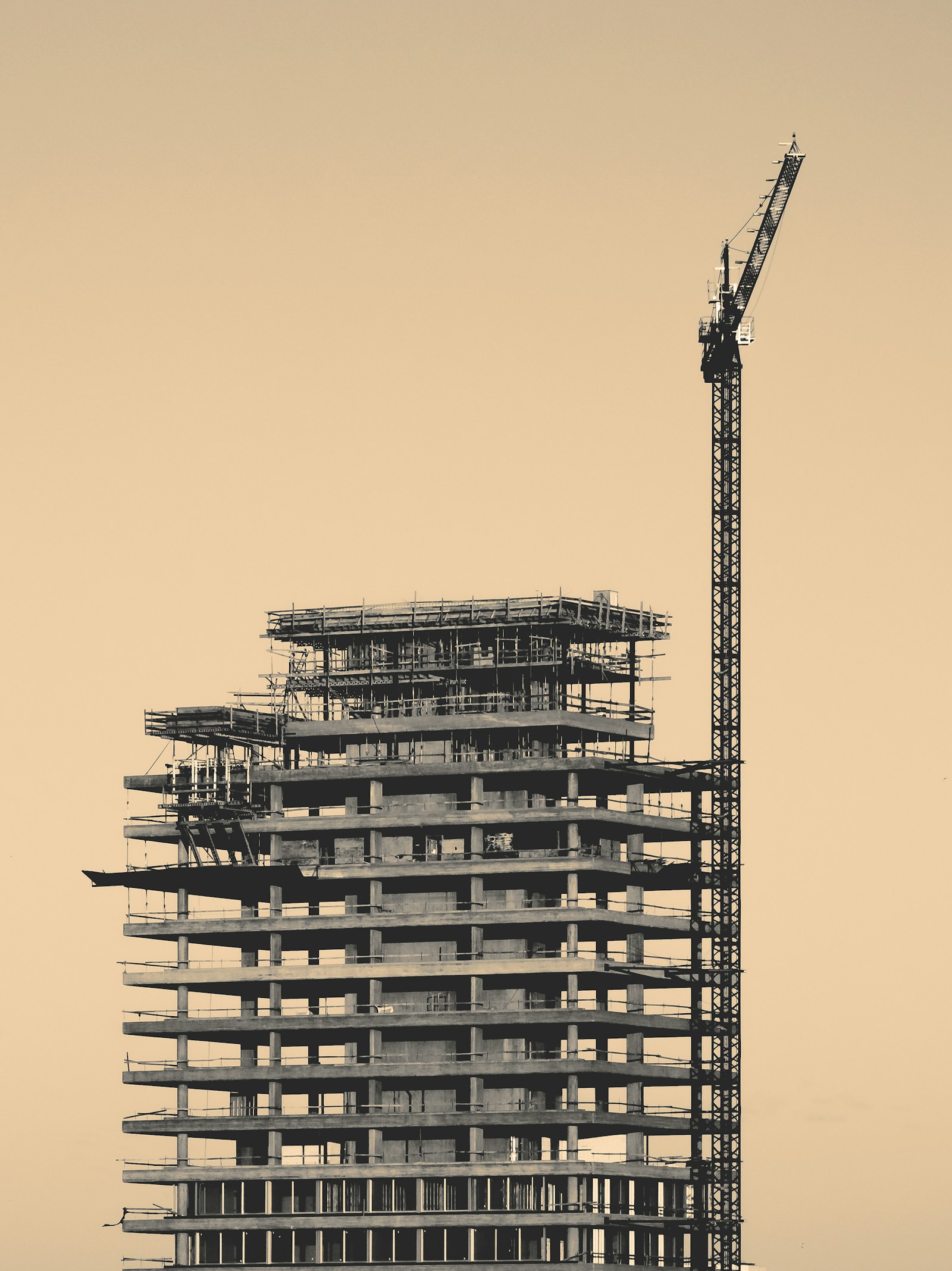
East York is quietly emerging as one of Toronto's most compelling real estate investment opportunities, particularly for investors seeking development potential with built-in downside protection. Along major transit corridors, detached bungalows are trading in the $750,000-$850,000 range, presenting a unique dual opportunity that's increasingly rare in Toronto's market.
Why This Opportunity Stands Out
What makes these properties exceptional is their flexibility. You're not just buying development potential—you're acquiring an asset that works whether you're an end user looking for a home, an investor pursuing a land banking strategy, or a builder ready to maximize density.
The Transit Advantage
Properties along major transit lines in East York benefit from Toronto's aggressive intensification policies. The city is actively encouraging higher-density development near rapid transit, which translates to increased zoning flexibility for multi-unit developments, strong rental demand from transit-dependent residents, long-term value appreciation as transit-oriented development continues, and reduced parking requirements that improve project economics.
Investment Strategy Breakdown
Strategy 1: Land Banking (Buy and Hold)
For investors not ready to develop immediately, these bungalows offer an intelligent holding strategy. The existing structure generates rental income while you wait for optimal market conditions or navigate the development approval process. A typical 2-3 bedroom bungalow in East York can command between $2,800 and $3,500 per month in rental income, which helps offset your carrying costs while land values appreciate in the background.
The beauty of this approach is the timeline flexibility it provides. You can hold for anywhere from two to five years while monitoring rezoning applications in the area, watching for transit expansion announcements, tracking construction cost trends, and observing market absorption rates. This gives you the luxury of choosing the optimal moment to move forward with development or simply exit with appreciation gains.
Strategy 2: Value-Add Renovations
If you're considering light renovations to maximize rental income or prepare for a flip, understanding the cost structure is essential. For a cosmetic refresh that includes paint, flooring, new fixtures, kitchen cabinet refacing, and bathroom updates, you're looking at roughly $30 to $50 per square foot. On a typical 1,200 square foot bungalow, this translates to an investment of $36,000 to $60,000.
A moderate renovation goes deeper, including new kitchen and bathrooms, updated electrical and plumbing systems, refinished hardwood floors, new trim throughout, and energy efficiency upgrades. This level of work typically costs between $75 and $125 per square foot, or $90,000 to $150,000 for that same 1,200 square foot property.
For those considering a substantial renovation that maintains the structure but essentially creates a new interior, expect costs in the range of $150 to $200 per square foot. This includes gut renovation work, all new systems and finishes, layout reconfiguration, and high-end finishes throughout. The total investment would be approximately $180,000 to $240,000 for a 1,200 square foot bungalow.
Strategy 3: Development Play
The highest and best use for these properties is often multi-unit development. Depending on your lot characteristics and local zoning, potential scenarios include converting to a duplex or triplex by adding second or third units within the existing footprint or with a modest addition. If your lot permits, you might add a laneway suite of 600 to 800 square feet as a secondary dwelling. Some lots, particularly those with 50 feet or more of frontage, may allow severance into two detached properties. In some cases, depending on zoning and lot size, you could even pursue a small condo or rental building with three to eight units.
When it comes to development costs, ground-up construction for wood-frame low-rise buildings typically runs $300 to $400 per square foot. You'll need to add another 20 to 30 percent on top of that for soft costs and fees including architectural services, engineering, permits, and development charges. The advantage here is that your land value is already established with your $750,000 to $850,000 acquisition cost.
The Numbers: A Sample Pro Forma
Let's walk through a realistic example. Imagine you acquire a detached bungalow on a 35 by 125 foot lot for $800,000. In a near-term hold strategy, you invest $75,000 in modest renovations and rent the property for $3,200 per month, generating $38,400 annually. This provides an approximate net yield of 3.5 to 4 percent while your land appreciates over time.
Looking at a medium-term development scenario over three to four years, you could pursue a three to four unit building. Development costs including soft costs would run approximately $1.2 to $1.5 million, bringing your all-in cost to $2.0 to $2.35 million. The potential value creation or rental income generation is significant, with the completed project potentially worth $2.5 to $3.0 million or generating over $10,000 per month in net rental income. This creates either built-in equity for a sale or strong cash flow generation for long-term hold.
Neighbourhood-Specific Opportunities: Carlaw to Woodbine
The corridor between Carlaw Avenue and Woodbine Avenue represents the sweet spot for these opportunities. This stretch encompasses several distinct neighbourhoods, each with its own character but united by excellent transit access and development-friendly zoning.
The Woodbine-Lumsden area, stretching from Woodbine Avenue west toward Coxwell, features predominantly detached bungalows on lots that typically range from 20 by 100 feet up to 35 by 120 feet or more. These lots often provide the depth needed for severance possibilities or substantial additions. The neighbourhood benefits from proximity to Woodbine Beach and the boardwalk, making it attractive to end users who value outdoor recreation alongside urban convenience.
Moving west, the areas around Coxwell Avenue and O'Connor Drive offer similar lot configurations with the added advantage of being walkable to Coxwell Station on the Bloor-Danforth subway line. Properties here sit within minutes of Dentonia Park Golf Course and the East York Town Centre, which provides grocery shopping, banking, and essential services. The mature residential streets are lined with established trees and well-maintained homes, creating that neighbourhood feel that's increasingly hard to find in newer development areas.
The Pape Village area, closer to Pape Avenue, presents perhaps the most compelling combination of transit access and neighbourhood amenities. With both Pape and Donlands subway stations nearby, properties here benefit from multiple rapid transit options. The commercial strip along Pape Avenue has been revitalizing steadily, with new cafes, restaurants, and independent shops joining longstanding community businesses. Taylor Creek Park provides green space and trail access, while the area's schools including Donwood Park Public School and Diefenbaker Elementary and Middle School make it attractive to families.
Throughout this corridor, lot sizes typically start at 20 by 100 feet for the narrower properties, though 25 by 110 feet and 30 by 120 feet configurations are common. The wider lots of 35 feet and beyond open up significantly more development possibilities, from duplex conversions to potential severance into two separate properties. These dimensions matter tremendously when planning your development strategy, as even five additional feet of frontage can transform what's feasible under current zoning.
[Insert link to available homes in this zone]
Why East York? Why Now?
East York offers something that's hard to find in raw development areas further from the core: established neighbourhood appeal. The mature tree canopy, excellent schools, and genuine community feel make these properties attractive not just as development plays but as places people actually want to live.
The transit connectivity provides direct access to downtown, making these properties highly attractive to renters and future buyers who prioritize convenience in their daily lives. This isn't just about being near transit—it's about being part of Toronto's transit-oriented future.
We're also operating in a supply-constrained market where Toronto's housing shortage shows no signs of resolving soon. Properties with development potential near transit will remain in high demand for the foreseeable future. The relative affordability at $750,000 to $850,000 makes the entry point accessible compared to similar opportunities in the core or along other subway lines where bungalow lots regularly exceed $1.5 to $2 million.
Key Considerations Before You Buy
Before committing to any property, thorough due diligence is essential. You'll want to verify the exact zoning and understand what's permitted as-of-right versus what would require rezoning. Assess the lot dimensions carefully and identify any easements that might restrict development. Review the city's Official Plan for area-specific policies that could affect your plans, and consider whether any heritage designations might restrict your development options.
Analyzing comparable recent sales and development applications in the immediate area will give you a sense of market dynamics and approval likelihood. Factor in Toronto's development charges, which currently range from $30,000 to over $60,000 per unit depending on size. Don't forget to understand the property tax implications during your hold period, as these will affect your carrying costs.
On the risk side, be realistic about development approval timelines, which typically run 12 to 24 months or longer. Construction costs remain volatile, and the current interest rate environment will significantly affect your financing costs and returns. If you're planning to generate rental income, carefully consider market absorption and whether demand will support your projected rents.
The Bottom Line
East York's detached bungalows along major transit lines represent one of Toronto's remaining opportunities where development potential doesn't mean sacrificing downside protection. Whether you're an investor comfortable with a land banking strategy, a renovation-minded holder looking to add value in the near term, or a builder ready to maximize density, the $750,000 to $850,000 entry point offers multiple paths to returns.
The key is understanding your timeline, risk tolerance, and exit strategy before committing. But with Toronto's housing crisis showing no signs of abating and the city's demonstrated commitment to transit-oriented intensification, properties that check both boxes deserve serious consideration from anyone looking at Toronto's development landscape.
This article is for informational purposes only and does not constitute investment advice. Readers should conduct their own due diligence and consult with real estate, legal, and financial professionals before making investment decisions.